
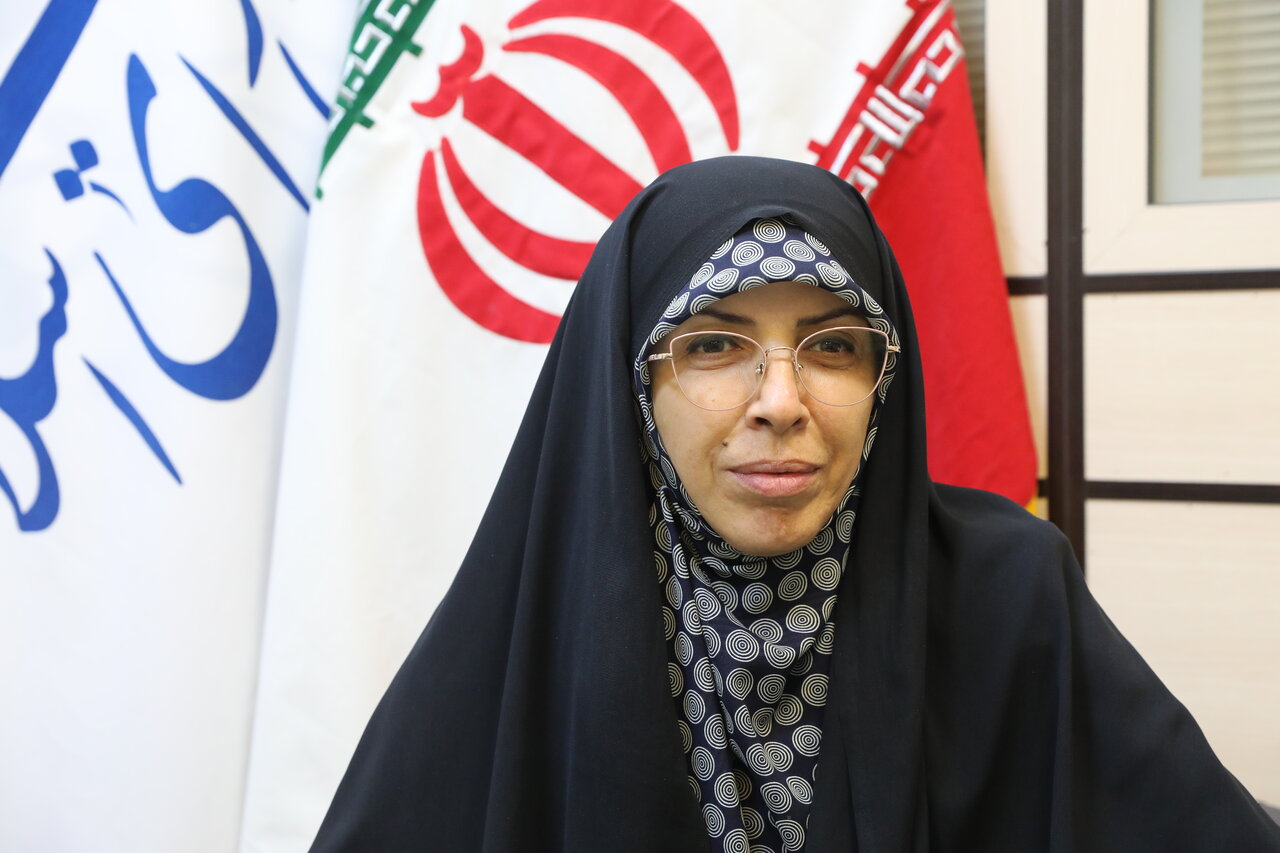
Aliyeh Zamani-Kiasari told Khaneh Mellat that the Population and Family Support Law, consisting of 73 articles, was passed and enacted in November 2021, with a pilot phase extending to 2028. One of the key aspects of this law is supporting working mothers, including benefits such as remote work, maternity leave, and retirement facilitation. Some of these benefits have already been implemented, and with continued parliamentary oversight and coordination with relevant authorities, their effectiveness will be further enhanced.
Zamani-Kiasari emphasized the significant role of women in population development, noting that women bear the greatest responsibility for population growth. Strengthening supportive legislation for mothers is critical for achieving national population objectives. Despite the law’s enactment in 2021, the country still faces declining birth rates—a serious warning sign.
She added that the Director-General of Technical Affairs at the Civil Service Retirement Fund has issued directives confirming that working mothers who became parents after the law’s enforcement, with at least 20 years of service and aged 40 or above, can request retirement. This measure is particularly helpful for jobs with higher workloads, allowing mothers to actively participate in their children’s early years while maintaining their professional benefits.
Zamani-Kiasari stressed that the implementation of other provisions of the law should also be expedited, but must be accompanied by strict oversight by Parliament and the government to prevent misuse in public and private sectors. Mothers’ professional positions must remain secure, and no legal benefits should be reduced or ignored.
The representative of Sari and Miandorud added that Parliament will carefully follow this issue to ensure working mothers can enjoy legal protections, fulfill family responsibilities, and contribute to society without jeopardizing their careers. She warned of the risk that men could be hired to replace retiring women, highlighting the need for strict supervision to preserve women’s job opportunities.
The law, she concluded, not only provides advantages for mothers but also contributes to improving demographic indicators, achieving national goals, and ensuring that working women benefit from their legal rights while contributing to national development.
End of message.

Your Comment